



Kangra
Introduction Kangra
One of the well known mountain channels in Indian, Kangra is in the southern part of the condition of Himachal Pradesh. It is known for its picturesque elegance and pleasant environment. Every year, a large number of visitors come to Kangra to invest some time in the middle of wonderful organic surroundings.
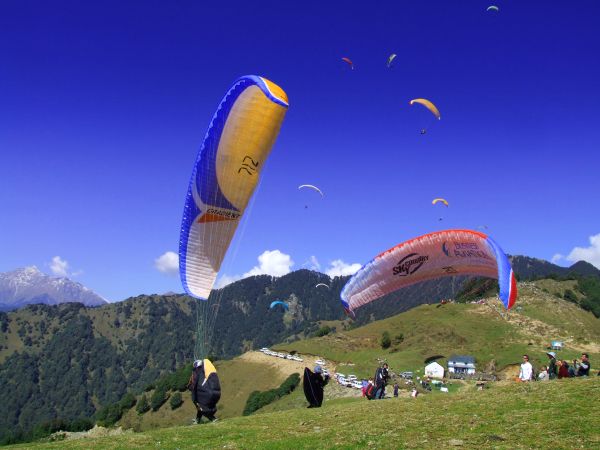
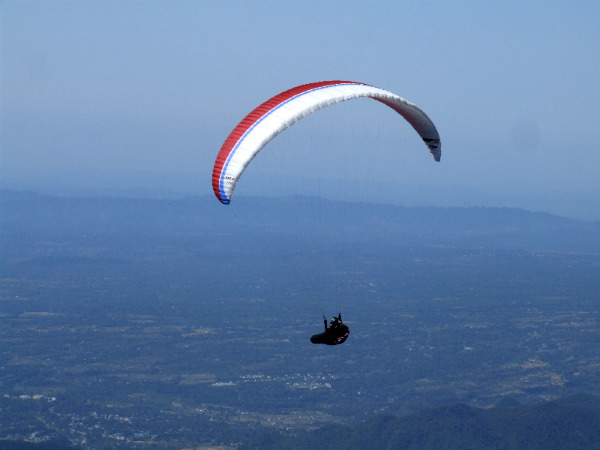
Kangra Area is well secured by the Dhauladhar variety. The valley provides the spectacular perspective of the Dhauladhar Range in soothing hills protected with the jungles of maple, orchards, tea landscapes and terraced areas. The valley is known for the picturesque elegance, historical wats or temples and several experience sports.Kangra is also popular for Kangra artwork. The graphic art of Kangra is one of the best presents of Indian to the art-world.A preferred location for the consistently prepared people.Kangra is popular for its historical wats or temples. It is also a sanctuary for the characteristics fans and experience sports gurus.
The record of Kangra area goes back to the Vedic times more than 3500 years ago. The area was revealed to subsequent invasions, the last being the English control of the princes of many small the mountain declares. Despite the onslaughts and governmental upheavals, the designs and artistry of the area ongoing to create and discovered musical expression. Crafts like the wonderfully developed shawls and small artwork of this area are worldwide valued.
Record of Kangra :Kangra is known for the earliest providing Elegant Empire in the world Katoch. Kangra became a region of English Native indian in 1846, when it was ceded to English Native indian at the summary of the First Anglo-Sikh War. The English region involved the present-day regions of Kangra, Hamirpur, Kullu and Lahaul-Spiti. Kangra District was part of the English Region of Punjab. The management head office of the region were originally at Kangra, but were shifted to Dharamsala in 1855. This place was considerably broken by an earth quake on Apr 4, 1905. Upon Native indian Freedom in 1947, Punjab province was portioned between Native indian and Pakistan, and the southern section, such as Kangra, became the Native indian condition of Punjab. Kangra was the biggest region of blend Punjab with regards to place until it was shifted to Himachal Pradesh on 1st of Nov, 1966 and had six tehsils namely Nurpur, Kangra, Palampur, Dera Gopipur and Hamirpur. Lahul and Spiti became a individual region in 1960, and Kullu in 1962. In 1966, Kangra and Una regions were included to Himachal Pradesh, which became a partnership area of Native Indian, and an Native Indian condition in 1971. Hamirpur District was divided from Kangra in 1972.
Things Need to know
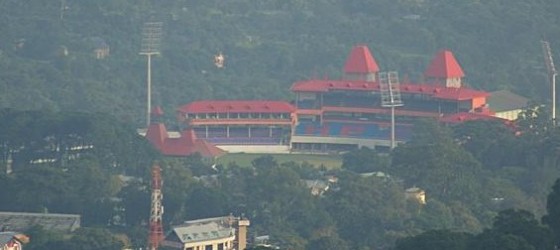
The ideal time for visiting Kangra is between the several weeks of March and Oct when the weather is enjoyable. Being a mountain place, the town encounters light environment all over the year.- Practical Information about Kangra
How to Reach Kangra
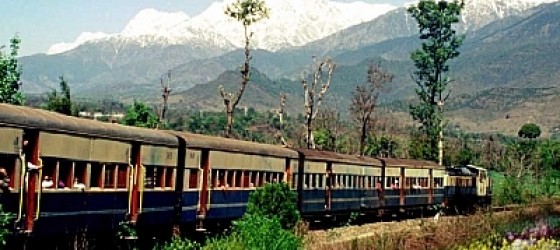
Running alongside the Kullu valley, the Kangra valley, equally beautiful, combines the charm of a Devonshire coomb with the steep silhouette of the Dolomites soaring up into the sky on either side. - How to Reach
Main Attractions
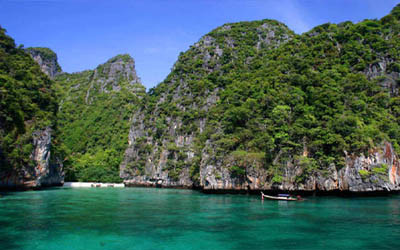
Tourists can check out various unique holiday locations at Kangra, such as Kareri Pond, Bagalamukhi Forehead, and Kaleshwar Mahadev Forehead. The spectacular Kareri Pond, located at an level of 2934 m above sea stage, ...more...
Kangra Temples
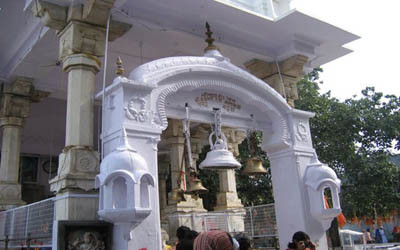
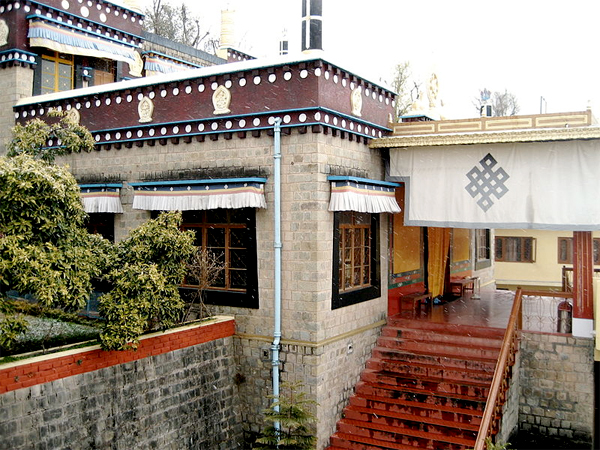
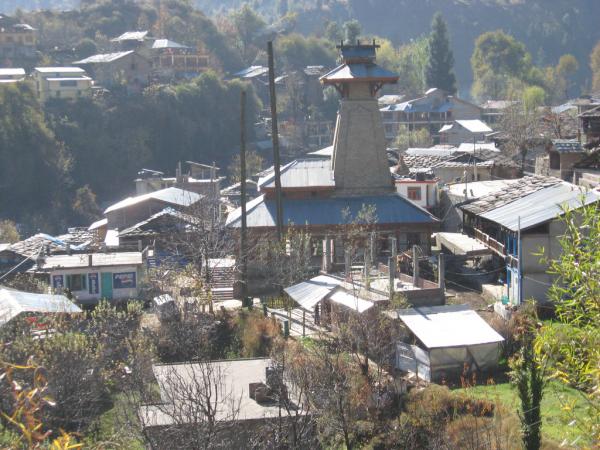
The Kangra city known to the ancients as Nagarkot, is the chair of Shri Bajreshwari Devi or vajreshwari Devi or Brajeshwari Devi. Known once for its famous prosperity this forehead was raided by various intruders from the northern...more...
Hotels/Restaurants

A Hotel Resort motivated by organic charm and lifestyle of Himachal Pradesh. A relaxing resort at the feet mountains of Shivalik, nestling along the pleasant snowfall dressed Dhauladhar variety. ...more...
Kangra In Pictures
Recent Packages
©1999- 2014 MegriSoft. All Rights Reserved