



Kinnaur
Introduction Kinnaur
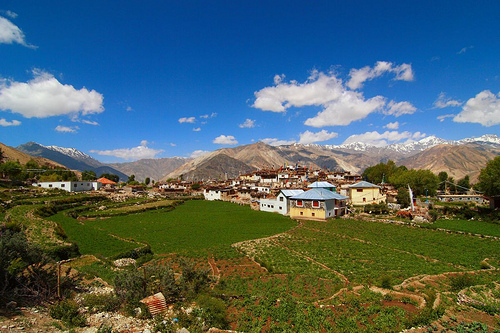
Kinnaur enclosed by the Tibet to the eastern, in the northeast area of Himachal Pradesh, about 235 kms from Shimla is a extremely wonderful region having the three excellent hills varies i.e. Zanskar, Higher Himalayas and Dhauladhar, attaching valleys of Sutlej, Spiti, Baspa and their tributaries. All the valleys are amazingly wonderful. The hills are protected with dense timber, orchards, areas and attractive hamlets. The much religious Shivlinga can be found at the optimum of Kinner Kailash hill. The wonderful region was started out for the strangers in 1989. The old Hindustan-Tibet street goes through the Kinnaur area along the lender of stream Sutlej and lastly goes into Tibet at Shipki La Successfully pass. And it is not only the attractive elegance which attracts the younger and old as well but also the lifestyles of the individuals, their lifestyle, culture, traditions and traditions. The much sincere individuals which have powerful lifestyle and principles usually adhere to the Buddhism and Hinduism believe that the Pandavas came and lived in the land while in the exile. In the historical myth the individuals of Kinnaur are known as Kinners, the midway between men and gods. Countless numbers years old monasteries still are available in the region.
Both the Buddhists and Hindus reside in ideal balance symbolising the conventional brotherhood and relationship of the individuals of both the beliefs. The celery, chilgoza and other dry fruits and vegetables are expanded here are globe renowned. The excellent landscape here give way to excellent activities activities of all types. Beautiful hiking tracks contains the 'Parikarma of Kinner Kailash'. Here is also the Beautiful Nako pond and three popular crazy lifestyle centuries.The attractiveness of the spectacular landscape is elevated in multifold with growing orchards, swaying areas, dense forests and wealthy custom and lifestyle, exclusive to this land of the Gods. The hills are intercepted by little but attractive hamlets distribute here and there. The area is in abundance with rhododendron, cypress, fir, maple, junipers and several other downhill vegetations. Kalpa area in Kinnaur is the only in the nation which develops chilgoza, farms of which are numerous in Iran. This region is located tactically on the Hindustan-Tibet boundary in the condition of Himachal Pradesh in Indian. A vulnerable thoroughfare usually known as NH-22 located under the clinging coves of excellent hills performs courbe whirls along the financial institutions of stream Satluj and goes into Tibet through the Shipki La Successfully pass. Kinnaur is considerably a culturally and ethnically exclusive area and was set start for strangers in 1989. It is one of the tiniest regions of Indian. Rickong Peo is the middle for clerical equipment of the region.
Kinnaur is a position where time seems to have come to a halt. The residents of Kinnaur appropriately contact them selves as the kinners, significance gods personified. Their straight loyalty, religious principles and faith are nowhere near common mortals. Genetically they are of Indo-Caucasian and Tibetan source combined in different levels based on the region and level. It becomes more towards Tibetan part in the higher varies relaxing near to Tibet. Mythology and kinners say it univocally with powerful indictment that a lot of gods were once going some where and on their way they organized to get down at Kinnaur for relax, the position rather the whole area of Himachal Pradesh is known as the Devbhumi, significance the land where the incredible realized liked to perform and stay.
This land of the Gods still maintains its exclusive atmosphere and with much inspiration given to the travel and leisure industry, it now has given the people with an probability to expore the scenery ones regarded native to the island. Here Hinduism and Buddhism, the two excellent beliefs around the globe succeed part by part vivid with conventional brotherhood without any issue. Kinnaur is a relaxing land; the custom is abounding with impressive experiences of its heavenly roots. It is regarded that the excellent Pandavas of the Mahabharata popularity select to come here during their exile. The much recognized Shivalinga rests on top of the wonderful Kinner Kailash Mountain and is regarded to be the residing of Master Shiva.
Things Need to know
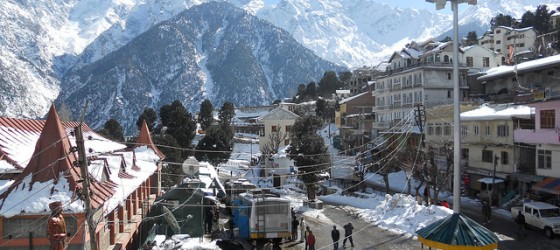
This borderland area with Tibet and Himachal Pradesh of Indian is a fabric of surrealistic elegance of characteristics, chiselled out of natural valleys and orchards, snowfall protected hills, gushing sources… and thrown in between are attractive environments of the descendents of ‘Kinners’. - Practical Information about Kinnaur
How to Reach Kinnaur
Main Attractions
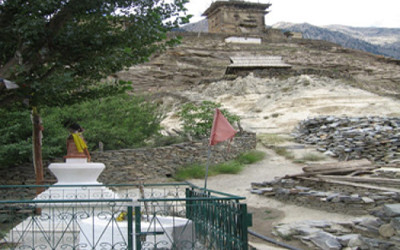
The system of Kinnaur area due to excellent difference in its level, environment and terrain symbolizes different wildlife and flaura. For the factors for their environmental, faunal, flower and geomophilogical significance three crazy lifestyle sanctuaries are set up in the area. ...more...
Kinnaur Temples
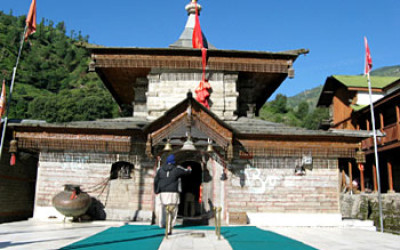
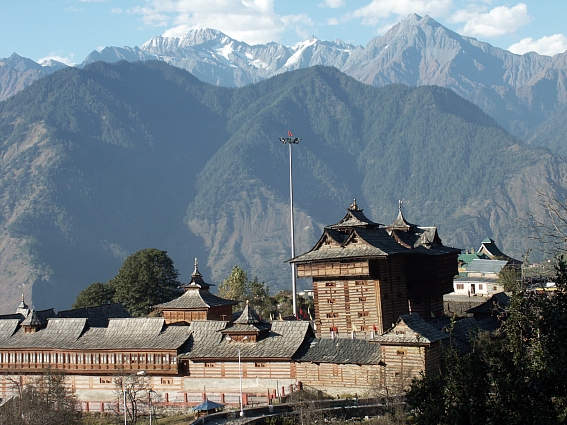
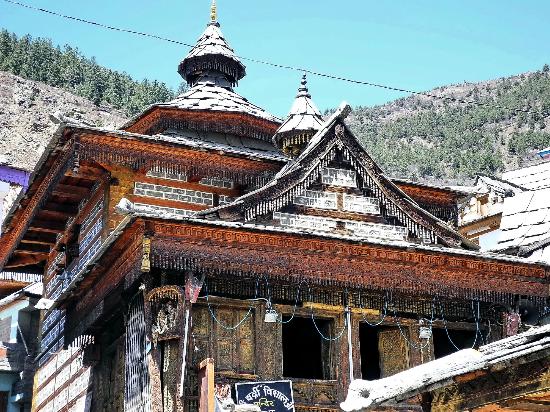
A attractive temple devoted to goddess Chandika, more especially specific as Shuwang Chandika has distribute the popularity of town Kothi in majority of the region....more...
Hotels/Restaurants
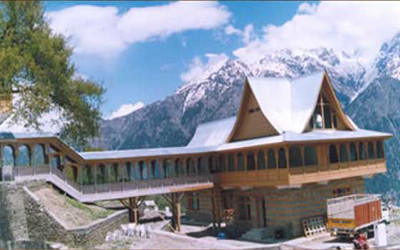
MANUALLAYA-The Hotel Spa is situated in the relaxing organic position of Manali, Himachal Pradesh. The position of the accommodation gives you a fantastic view of the Beas Area and the spectacular snowfall dressed hills at the Rohtang successfully pass....more...
Kinnaur In Pictures
Recent Packages

©1999- 2014 MegriSoft. All Rights Reserved